


Car On Rent Services
The car rental industry has evolved to offer a variety of options to suit different needs:
Self-Drive Rentals: This is the most common type, where you rent the car and drive it yourself. It’s ideal for those who want flexibility and control over their trip, whether for a road trip, a day of errands, or a business trip.
Chauffeur-Driven Rentals: Many companies provide a professional driver with the car. This is a convenient option for tourists, corporate clients, or anyone who wants to avoid the stress of navigating traffic and parking.
Hourly, Daily, and Weekly Rentals: These services offer flexible rental periods. Hourly rentals are great for short trips or errands, while daily and weekly options are more suited for vacations or business trips.
Outstation Rentals: This service is for intercity travel, allowing you to rent a car for a one-way or round trip between two cities.
Luxury and Specialized Rentals: For special events like weddings, parties, or corporate functions, you can rent high-end luxury cars, SUVs, or even large vehicles like tempo travelers.
Corporate Travel Solutions
A modern corporate travel solution typically includes a combination of the following features:
Centralized Booking Platform: A single platform for employees to book flights, hotels, rental cars, and other ground transportation. This system often integrates with a wide network of suppliers to offer a range of options at pre-negotiated corporate rates.
Automated Policy Enforcement: The system enforces the company’s travel policy in real-time. For example, it can be configured to flag or prevent bookings that exceed a specific budget, use a non-preferred airline, or don’t adhere to a set booking window.
Expense Management Integration: CTM solutions are often linked with expense management software, allowing for automatic receipt capture, real-time expense tracking, and simplified reimbursement processes. This eliminates manual data entry and reduces the administrative burden on both travelers and the finance team.
Duty of Care and Risk Management: This is a crucial component that focuses on employee safety. Features include real-time traveler tracking, automated alerts for disruptions (e.g., severe weather, political unrest), and 24/7 emergency support.
Customizable Approval Workflows: Managers can set up automated approval chains, ensuring that travel requests are reviewed and approved by the right people before any bookings are made.
Event & Destination Management
Event Management is the process of planning, organizing, and executing any type of event, regardless of its location. This can include corporate meetings, conferences, trade shows, product launches, weddings, or concerts. An event management company (EMC) is a strategic partner that handles the entire lifecycle of an event from conception to completion.
Strategic Planning: Defining the event’s goals, objectives, and target audience.
Venue & Vendor Management: Sourcing and negotiating with venues, caterers, decorators, entertainment, and technical staff.
Budget Management: Creating and managing a detailed budget to ensure all costs are tracked.
Logistics & Execution: Handling all the moving parts, including timeline coordination, registration, attendee communication, and on-site management.
Risk & Contingency Planning: Creating backup plans for potential issues like weather, technical failures, or speaker cancellations.
Group Tours & Educational Trips
Group tours and educational trips are specialized forms of travel designed for groups of people to experience a destination together with a shared purpose, whether for leisure, learning, or both. They are distinct from individual travel as they are pre-planned and professionally managed.
Group Tours
Group tours are organized trips for a set number of people who travel together following a structured itinerary. This can include anything from a sightseeing tour for friends and family to a large corporate retreat or a trip for a sports team.
Key Characteristics:
Convenience: All logistics, including transportation, accommodation, and activities, are pre-arranged by a tour operator. This saves the group from the hassle of planning.
Cost-Effectiveness: Tour operators can secure better rates for group bookings on flights, hotels, and attractions, making the trip more affordable for each individual.
Social Experience: Group tours provide a social environment where travelers can bond over shared experiences, often leading to new friendships and lasting memories.

Luxury Bus & Cab Rentals
Luxury bus and cab rentals provide a premium transportation experience that goes beyond standard vehicle hire. These services are defined by their superior comfort, high-end amenities, and professional service, catering to clients who prioritize a comfortable and stylish journey.
Luxury Bus Rentals 🚌
These services offer large vehicles—from minibusses to full-sized coaches—that are equipped with high-end features designed for passenger comfort and convenience. They are a significant upgrade from standard buses, making them ideal for long-distance travel and group events.
Key Features
Seating: Luxury buses feature plush, reclining seats with extra legroom, individual headrests, and armrests.
Onboard Amenities: Common amenities include powerful air conditioning, Wi-Fi, individual charging ports, and advanced entertainment systems with LED screens. Some high-end coaches even come with an on-board restroom.
Safety & Comfort: Modern luxury buses often have air suspension for a smoother ride, and safety features like GPS tracking and ABS braking.
Honeymoon Packages 
A honeymoon package is curated to provide a romantic, private, and relaxing getaway for newlyweds. The primary goal is to celebrate their new life together in a stress-free environment.
Key Features & Inclusions:
Romantic Accommodations: Packages often include stays in private villas, luxury resorts, overwater bungalows, or boutique hotels with special “honeymoon” perks like room decorations, complimentary champagne, or a welcome cake.
Romantic Experiences: The itinerary is built around couple-centric activities. This can include private candlelit dinners on the beach, couples’ spa treatments, sunset cruises, or a private photoshoot.
Privacy & Exclusivity: Many packages are for adults-only resorts or offer secluded experiences to ensure the couple can enjoy uninterrupted quality time together.
Destinations: Popular choices include romantic, exotic locations such as the Maldives, Bali, Mauritius, or secluded hill stations in places like Himachal Pradesh or Kerala.

Family Packages 👨👩👧👦
A family package is designed to be inclusive and engaging for travelers of all ages, from young children to grandparents. The focus is on creating shared, memorable experiences and ensuring the trip is comfortable and fun for the entire family.
Key Features & Inclusions:
Family-Friendly Accommodations: Packages feature hotels or resorts with spacious family rooms, interconnected suites, or even villas that can comfortably fit everyone. Resorts often have kid-friendly amenities like pools, playgrounds, and supervised kids’ clubs.
Activities for All Ages: The itinerary is a mix of activities that cater to different interests. This could include theme park visits, water sports, wildlife safaris, cultural shows, and guided tours that are engaging for both adults and children.
Logistical Support: Family packages often include services that simplify travel, such as airport transfers, private vehicles for sightseeing, and pre-booked tickets to attractions to avoid long queues.
Destinations: Family-friendly destinations are chosen for their safety, wide range of activities, and ease of travel. Examples include resorts in Goa, theme parks in Dubai, or national parks in places like Kerala and Uttarakhand.
Customized Travel Itineraries
Creating a customized itinerary is a collaborative process between the traveler and a travel planner, who can be a professional travel agent or an online service. The process generally involves:
Discovery: The planner first conducts a detailed consultation to understand the traveler’s goals, interests (e.g., adventure, culture, food), travel style (e.g., fast-paced vs. relaxed), budget, and any special requirements.
Research & Planning: Based on the information gathered, the planner researches destinations, accommodations, activities, and local transportation options. They leverage their knowledge and local connections to find unique, off-the-beaten-path experiences that a standard tourist might miss.
Refinement: The planner presents a draft itinerary to the traveler. They work together to refine the plan, making adjustments until every detail aligns with the traveler’s vision.
Booking & Execution: Once the plan is finalized, the planner handles all bookings, from flights and hotels to restaurant reservations and guided tours. They also provide a comprehensive travel dossier with all the necessary documents and local contacts, often accessible through a mobile app.
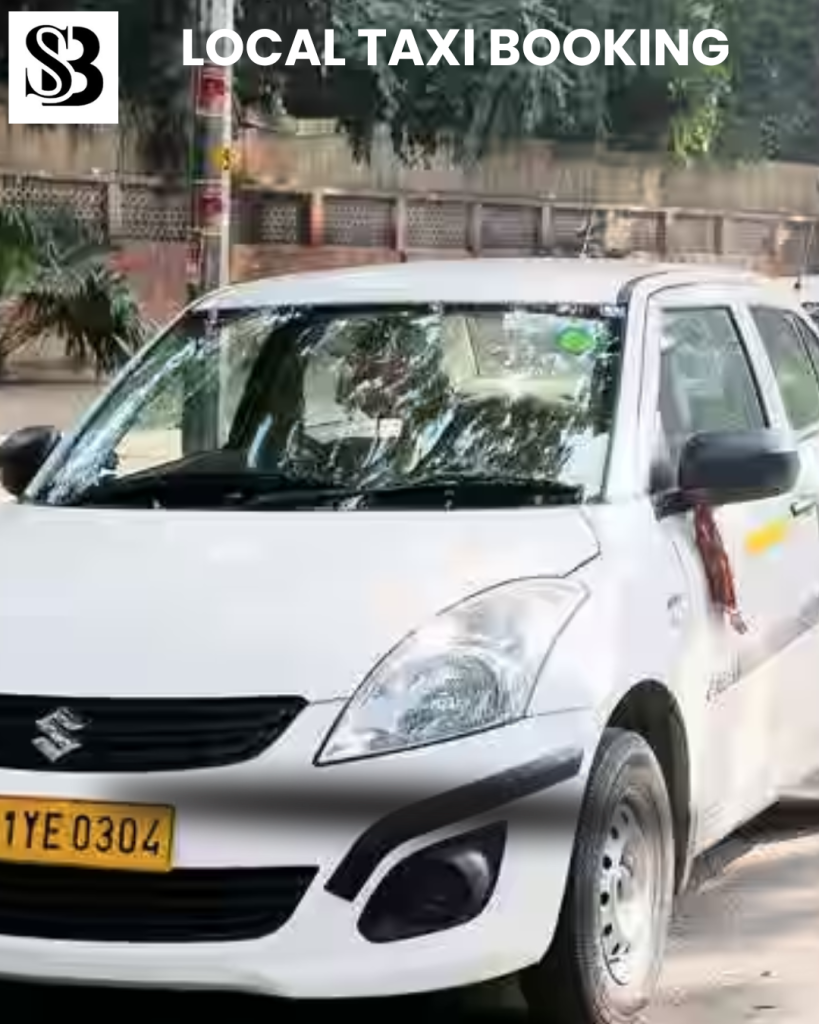
How Local Taxi Booking Works
The process has been revolutionized by technology, moving from traditional street-hailing to convenient app-based booking.
Mobile Apps (Most Common Method):
Request a Ride: You open a mobile app (e.g., Uber, Ola, Bolt) and the app automatically detects your location via GPS.
Enter Destination: You enter your destination, and the app provides an instant fare estimate and the estimated time of arrival (ETA) for a nearby driver.
Choose Vehicle Type: You can select from various vehicle options, such as an economy hatchback, a comfortable sedan, a spacious SUV, or a shared ride.
Confirm Booking: Once you confirm, a nearby driver accepts your request. You can track the driver’s location in real-time on a map and even contact them directly.
Payment: The fare is often paid through a digital wallet or credit/debit card linked to the app, making the transaction cashless and seamless.
Traditional Methods:
Phone Call: You can call a local taxi company’s dispatch center to book a cab. The dispatcher will assign a driver to your location.
Hailing on the Street: In many cities, you can still hail a taxi directly from the street or find them at designated taxi stands.
Outstation Taxi Booking
Types of Outstation Taxi Services
Round Trip: The most common option for weekend getaways, family functions, or vacations. You book a taxi that takes you to your destination and waits for you to complete the return journey.
One-Way Trip: Ideal for travelers who are not planning to return to their starting point, such as for a one-time relocation, a business trip, or an airport drop-off from a different city.
Multi-City Trip: This service allows you to book a single vehicle for a multi-day journey with stops at several different cities. This is a great option for a curated sightseeing tour or a flexible road trip.
How Outstation Taxi Booking Works
The process is straightforward, with most services available through mobile apps or websites:
Select Your Service: Choose between a one-way, round trip, or multi-city booking.
Enter Details: Provide your pickup location, destination, and the date and time of your journey. For a round trip, you will also need to specify the return date.
Choose a Vehicle: Select a vehicle that suits your group size and luggage needs, from economical hatchbacks to spacious SUVs or tempo travelers.
Confirm Booking: After reviewing the fare estimate and details, you can confirm your booking. The details of the driver and vehicle will be shared with you in advance.
Airport Pick-up & Drop
Airport pick-up and drop services are pre-arranged transportation options that ensure a smooth and stress-free journey to and from the airport. They eliminate the hassle of hailing a cab, navigating public transport, or dealing with expensive airport parking.
How the Service Works
For Airport Pick-up:
Pre-Booking: You book your ride online or via an app, providing your flight details, destination, and the time of arrival.
Flight Tracking: The service provider tracks your flight in real-time. If your flight is delayed or arrives early, they adjust the pick-up time accordingly, so your driver is ready when you are.
Meet & Greet: A professional driver will be waiting for you at a designated pick-up point, often holding a sign with your name for easy identification.
Assistance: The driver assists with your luggage and takes you directly to the pre-agreed vehicle.
For Airport Drop:
Pre-Booking: You book your ride from your location (home, hotel, office) to the airport, specifying your flight details and the time you need to be picked up.
Timely Arrival: The driver arrives at your location on time and takes the most efficient route to the airport, considering real-time traffic updates.
Fixed Pricing: The fare is typically fixed at the time of booking, so you don’t have to worry about the meter running up due to traffic or delays.
Corporate Car Rentals
Key Benefits 💼
Cost Efficiency: Renting cars for corporate use avoids the significant capital investment and ongoing costs of owning a fleet, such as maintenance, insurance, registration, and depreciation. Businesses only pay for the service when they need it, making expenses more predictable and manageable.
Flexibility and Scalability: Companies can easily scale their fleet up or down based on demand, which is perfect for peak business periods, special projects, or seasonal work. They can access a wide variety of vehicles, from a standard sedan for a sales representative to a luxury car for a VIP client.
Reduced Administrative Burden: The rental company handles all the logistics of vehicle ownership, including maintenance, repairs, and insurance. This frees up the company’s internal resources to focus on their core business operations.
Enhanced Professional Image: Corporate car rental services often provide access to modern, well-maintained vehicles, which helps a company present a professional image to clients and stakeholders. For executive travel, they can also provide trained, professional chauffeurs.
Self-Drive Car Rentals
The process is typically streamlined and technology-driven, with most bookings made through mobile apps or websites:
Booking: You select your desired car, pickup and drop-off dates and times, and the rental duration (hourly, daily, weekly, or monthly).
Verification: At the time of booking or pickup, you’ll need to provide a valid driver’s license, a government-issued ID (such as an Aadhaar card or passport), and a credit/debit card for a security deposit.
Pickup: You can pick up the car from a designated location (a hub, a specific parking lot, or an airport) or have it delivered to your doorstep for an extra fee. You’ll inspect the car for any existing damage before you start your trip.
The Trip: You have complete control over your journey, including the route, stops, and schedule.
Return: You return the car to the designated drop-off point at the end of the rental period. The car is inspected for any new damage, and the security deposit is refunded after a few days.
Tempo Traveller Rentals
Tempo Travellers come in a variety of sizes to suit different group needs. Common seating capacities range from 9-seaters to 26-seaters. Depending on the model, they can be equipped with:
Comfortable Seating: Push-back seats with ample legroom for a relaxed journey, especially on long trips.
Air Conditioning: A powerful AC unit to ensure comfort in all weather conditions.
Entertainment Systems: Many models include an LED TV, a music system, and charging points to keep passengers entertained and connected.
Spacious Luggage Space: Dedicated compartments to securely store luggage without compromising passenger comfort.
Safety Features: Modern vehicles are often equipped with seat belts, GPS tracking, and a first-aid kit.
Benefits of Renting a Tempo Traveller
Cost-Effective: Renting a single Tempo Traveller is often more economical than booking multiple cars or taxis for a group. The cost is split among all passengers, making it a budget-friendly option.
Stress-Free Travel: With a professional and experienced driver at the wheel, you don’t have to worry about navigation, traffic, or finding parking.
Shared Experience: Traveling together in one vehicle fosters a sense of togetherness and allows the group to share laughs, games, and memories throughout the journey.
Flexibility: Unlike public transport with fixed routes and schedules, a rented Tempo Traveller allows you to customize your itinerary, make unscheduled stops, or take scenic detours.
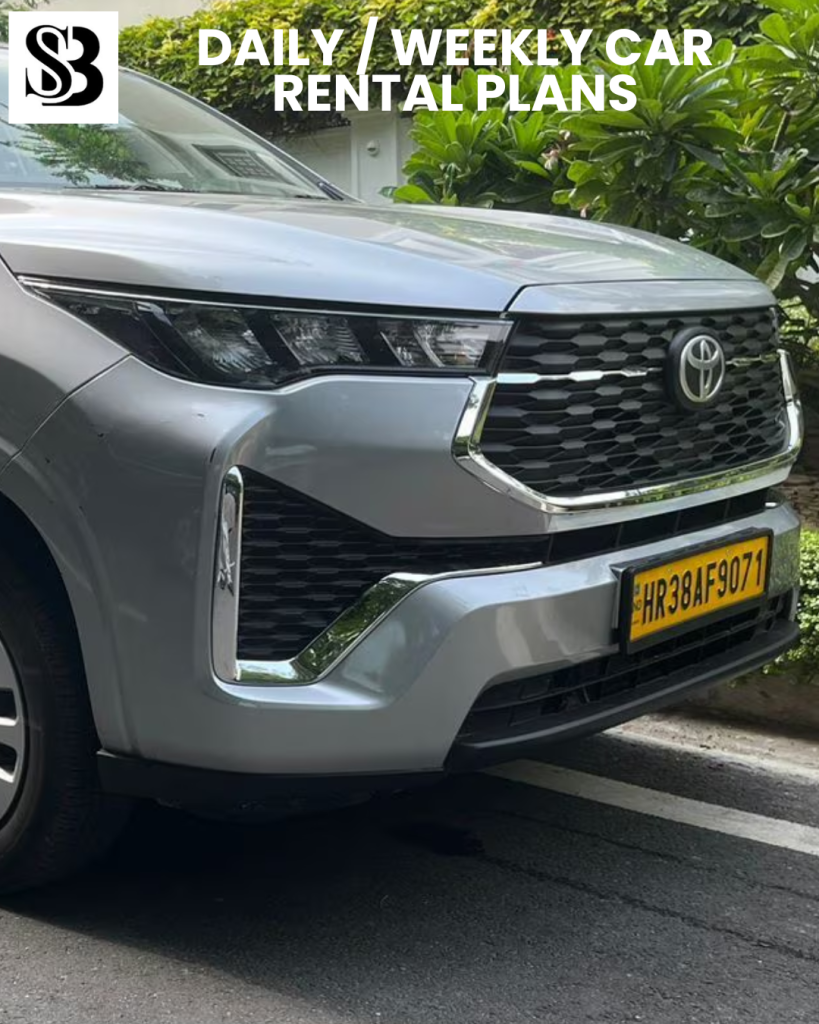
Daily / Weekly Car Rental Plans
Daily and weekly car rental plans are flexible and cost-effective solutions for temporary transportation needs. They differ primarily in their duration and pricing structure, offering distinct benefits for various types of trips.
Daily Car Rental Plans 🗓️
Daily rentals are priced in 24-hour increments and are best for short-term needs, typically up to three or four days. They offer the most flexibility if your plans are subject to change, as you’re only committed for a short period.
Best for:
Weekend getaways or short road trips.
Business trips with a fixed, short duration.
Temporary car replacement for a day or two while your car is being serviced.
Weekly Car Rental Plans 📅
Weekly rentals are priced for a seven-day period and are a more economical choice if you need a vehicle for an extended period. Most rental companies offer a significant discount on the daily rate for a weekly booking. This makes the per-day cost considerably lower than renting on a daily basis for the same duration.
Best for:
Week-long vacations or extended sightseeing.
Temporary projects or business assignments lasting a week or more.
Long-term car replacement if your personal car is in the shop for several days.
Business Meeting Travel
Professional business meeting travel solutions, often provided by a Travel Management Company (TMC), typically cover a wide range of services:
Centralized Booking: A single platform for booking flights, hotels, ground transportation, and even conference venues. This platform often provides access to pre-negotiated corporate rates and exclusive deals.
Logistics & Itinerary Management: Comprehensive planning for all aspects of the trip, including creating detailed itineraries, arranging airport transfers, and coordinating travel for multiple attendees from different locations.
Policy Enforcement: Automated systems that ensure all bookings and expenses are compliant with the company’s travel policy. This helps to control costs and prevent out-of-policy spending.
Group Coordination: For large meetings or events, these services manage group bookings, secure blocks of hotel rooms, and handle attendee registration and communication.
On-Site Support: Many providers offer 24/7 support to assist with unforeseen issues like flight cancellations, rebooking, or other travel emergencies.
Expense Management Integration: Seamlessly linking travel bookings with expense reporting software to automate receipt capture and simplify the reimbursement process.